Iran and its Lebanese Hezbollah militia proxy on Thursday fired rockets again at Israel, where people are currently celebrating Passover.
In the morning, warning sirens sounded repeatedly in northern Israel. Two men were slightly injured by a Hezbollah rocket, the Magen David Adom emergency service said.
An Iranian rocket also aimed at the north was fitted with cluster munitions, Israeli media reported. The use of cluster munitions is widely banned internationally because they can scatter explosive devices uncontrollably over large areas and are particularly dangerous for civilians.
There was also repeated fire at Israel overnight. A rocket alert was triggered in the coastal metropolis of Tel Aviv, among other places. Magen David Adom reported several people with minor injuries from broken glass in a suburb of Tel Aviv, including two babies.
The week-long Passover festival began on Wednesday evening for Jews around the world. It commemorates the exodus of the Israelites from Egypt and their liberation from slavery.
LATEST POSTS
- 1
 Joshua Made Last-Second Seat Change That Saved His Life
 - 2Vote in favor of your Number one Kind of Gems
- 3The next frontier in space is closer than you think – welcome to the world of very low Earth orbit satellites
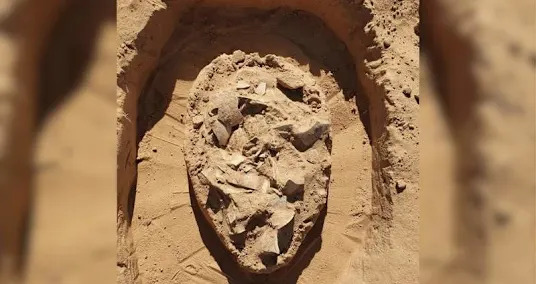
- 4Collection of 7,000-year-old ostrich eggs discovered under sand dunes in southern Israel
- 5Court clears Beersheba assault suspect of link to Haymanut Kasau disappearance, extends detention



- Instructions to Pick the Right Gold Speculation Procedure: Exploring the Market
- UN torture cm'tee report flags Israel for allegedly mistreating journalists, detainees, ex-MAG
- A Manual for Pick Dependable Vehicle Rental Administrations For 2024
- From Squid Game to Your Party! Six Entertaining Test Games That Will Have You in Join
- Uzbekistan launches €9.46 billion green energy push, covering nation’s power needs
- German diesel hits new records over Easter weekend
- EU health regulator urges immediate vaccinations amid early surge in flu cases
- 4 African Vacationer Locations
- Bennu asteroid samples provide clues about solar system origins and 'space gum'